
What is a Softshell Jacket? The Ultimate Buying Guide
Whether you are kitting out a team for a brisk morning site visit or looking for a versatile layer for a weekend hike, the “softshell” is often the most recommended yet least understood item in the wardrobe. At BuyTShirtsOnline, we’ve handled thousands of these garments, and we know that choosing the right one is about more than just the price; it’s about the science of the fabric.
TL;DR: The Quick Guide to Softshell Jackets
- What they are: A hybrid between a fleece (for warmth) and a waterproof jacket (for protection).
- Best For: High-activity movement, wind protection, and light rain.
- Key Benefit: Exceptional breathability and stretch compared to “crunchy” hardshell coats.
- The Verdict: Perfect for active workwear or everyday “lifestyle” use where you need to move freely without overheating.
Content
- What are Softshell Jackets?
- Softshell Jacket vs. Hardshell Jacket: The Comparison
- Technical Specs: The Science of the Fabric
- Lifestyle Scenarios: From Morning Hike to School Run
- Top Product Recommendations
- Sustainability: The "Honestly Made" Revolution
- Care Guide: How to Wash a Softshell Jacket
- Frequently Asked Questions (FAQs)
What are Softshell Jackets?
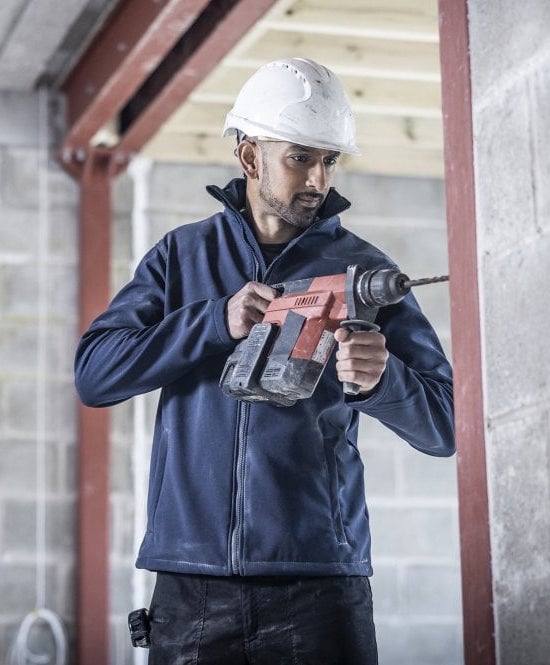
A softshell jacket is a highly breathable, water-resistant garment made from woven synthetic fabrics. Unlike traditional “hardshell” raincoats that feel stiff and plastic-like, softshells are soft to the touch and offer “four-way stretch.”
They were originally designed to fill the gap between a lightweight fleece and a heavy waterproof jacket. The goal was to create something that could handle 90% of weather conditions, wind and light drizzle, while allowing sweat to escape during physical activity.
Softshell Jacket vs. Hardshell Jacket: The Comparison
When choosing between the two, consider Breathability vs Absolute Protection.
- Hardshell: Think of this as your “shield.” It is 100% waterproof (seam-taped) but has limited breathability. It’s for heavy downpours but can feel “boil-in-the-bag” if you start running or working hard.
- Softshell: This is your “engine.” It’s designed for movement. It blocks the wind and sheds light rain, but its primary job is to keep you comfortable while you’re active.
Technical Specs: The Science of the Fabric
To choose the best softshell jackets for everyday wear, you need to understand three key terms:
1. Water Resistance (DWR) vs. Waterproof
Most softshells feature a DWR (Durable Water Repellent) coating. This causes water to bead up and roll off the surface. While they aren’t meant for a monsoon, a high-quality softshell will keep you dry during a school run or a walk from the car to the office in a shower.
2. 2-Layer vs. 3-Layer Systems
- 2-Layer Softshell: Features an outer fabric bonded to an inner lining (usually fleece). These are lighter, more packable, and ideal for layering.
- 3-Layer Softshell: Includes a technical membrane sandwiched between the inner and outer layers. This provides superior windproofing and better water resistance.
3. Windproofing and Breathability
The “magic” of the softshell is its CFM rating (airflow). It blocks the “bite” of the wind while allowing moisture vapour (sweat) to escape, making it the king of active comfort.
Lifestyle Scenarios: From Morning Hike to School Run
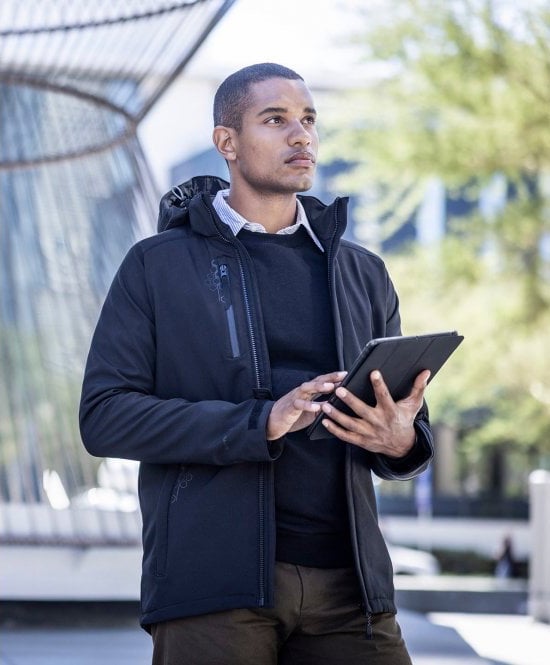
The beauty of modern softshell, particularly from brands like Regatta, lies in its “transitional” styling. You can wear a Regatta Professional Ablaze on a Saturday morning mountain hike, and it looks just as professional on Monday morning during a client meeting or the school run. It offers a “clean” silhouette that fleeces lack, making it the gold standard for professional workwear.
Activity Use:
- Hiking & Running: Focus on high-breathability 2-layer jackets.
- Professional Workwear: Opt for 3-layer jackets with high durability and embroidery-friendly surfaces for branding.
Top Product Recommendations
At BuyTShirtsOnline, we hold large stocks of the industry’s best. Here are our top four picks for 2026
- Regatta Professional Ablaze Printable Softshell: A staff favourite. It’s lightweight, affordable, and has a great surface for screen printing or embroidery. Perfect for large-scale team uniforms.
- Result Core Printable Softshell Jacket: This is the “budget hero.” If you need low wholesale prices without sacrificing the professional look, this is your go-to.
- Pro RTX Classic 2-layer Softshell: Known for its reliable fit and durability. This is a workwear staple for tradesmen who need a jacket that can handle a bit of rough-and-tumble.
- Premier Windchecker Printable and Recycled Softshell Jacket: For the eco-conscious buyer. Premier combines technical performance with recycled materials, fitting perfectly into the “Honestly Made” movement.
Sustainability: The “Honestly Made” Revolution
We are seeing a massive shift toward eco-friendly workwear. The Regatta Honestly Made range uses 100% recycled polyester fabric. By choosing recycled softshells, you’re not just getting a high-performance jacket; you’re helping divert plastic bottles from landfills, a great “social proof” story for your own business or brand.
Care Guide: How to Wash a Softshell Jacket
To maintain the DWR coating and breathability, follow these steps:
- Check the Label: Usually, a cool 30°C wash is best.
- Avoid Fabric Softeners: Never use softener! It “clogs” the fabric’s pores, destroying its breathability and water-repellent finish.
- Use Tech Wash: Use a specialised liquid soap (like Nikwax) rather than harsh detergents.
- Reactivate DWR: Occasionally, tumble-dry on low, gentle heat for 15 minutes after washing to “reset” the water-beading coating.
Frequently Asked Questions (FAQs)
Are softshell jackets waterproof?
No, they are generally “water-resistant.” They will handle light rain and snow, but in a sustained downpour, the water will eventually soak through. For 100% protection, you would need a hardshell.
When to wear a softshell jacket?
Softshells are ideal for “cool but dry” days or high-output activities. They are perfect for spring and autumn, or as a mid-layer under a heavy coat in deep winter.
What are the main softshell jacket benefits and drawbacks?
| Feature | Key Details |
| Benefits | Stretchy and breathable for active use. Windproof and stylish design. Quiet fabric (no “swish-swish” noise when moving). |
| Drawbacks | Not fully waterproof (designed for light rain/showers). Generally heavier than a standard, thin rain shell. |
How to choose a softshell jacket?
When you’re ordering in bulk, the “hand-feel” and performance of the garment reflect on your business.
- For the 2-Layer: These are fantastic for vibrant screen printing. Because they are thinner, they offer a smooth surface for your logo to pop without the bulk.
- For the 3-Layer: We highly recommend embroidery for these. The thicker, bonded fabric holds stitches beautifully, giving your company branding a high-end, 3D finish that lasts through rugged site work.
Expert Tip: If your team works in “stop-and-start” conditions, the 3-layer is the gold standard for versatility.
| Workforce Environment | Recommended Style | Why it works for B2B |
| Active Roles (Event setup, warehouse staff, delivery drivers, hospitality) | 2-Layer Softshell (Lightweight) | High Mobility: Prevents staff from overheating during physical tasks. It’s thin enough to be worn under a hi-vis vest and easy to pack away. |
| Static or Outdoor Roles (Site managers, security, event marshals, trade foremen) | 3-Layer Softshell (Windproof/Technical) | Maximum Protection: The internal membrane blocks biting winds during long shifts outdoors. It has a “premium” feel that reinforces a professional company image. |
Ready to upgrade your team’s look? Browse our full range of Softshell Jackets here or call our designers at 01928 579 951 for a custom printing quote!
Read Next
The Ultimate Guide to Wholesale Hoodies & Sweatshirts: Materials, Weights, and Durability
The Definitive Guide to Branded Wholesale Clothing: Quality Meets Affordability
Screen Printing VS Embroidery: Which type of T-shirt customisation is best?
Comments are closed here.