
Logo Placement and Embroidery Techniques for Professional Workwear
Since our early days in Warrington back in 2007, we’ve seen how a well-placed logo can transform a simple garment into a powerful professional statement. Now, with a team of 200 experts and state-of-the-art machinery, we understand that professional workwear isn’t just about the fabric; it’s about the precision of the branding.
This logo placement guide will help you navigate the technicalities of embroidery and positioning to ensure your team looks sharp, authoritative, and on-brand.
TL;DR
- Best Placement: Left chest is the industry standard for professionalism.
- Ideal Size: Keep chest logos under 90mm wide. Circular logos thrive at 65mm-75mm.
- Puckering: Prevent this by pairing high-stitch logos with heavier fabrics (200 gsm+).
Content
Logo Placement for Corporate Branding
Choosing where to put your logo is a strategic decision. It affects visibility, brand recognition, and even the wearer’s comfort. While creativity is welcome, industry standards exist because they work.
Standard Industry Placements
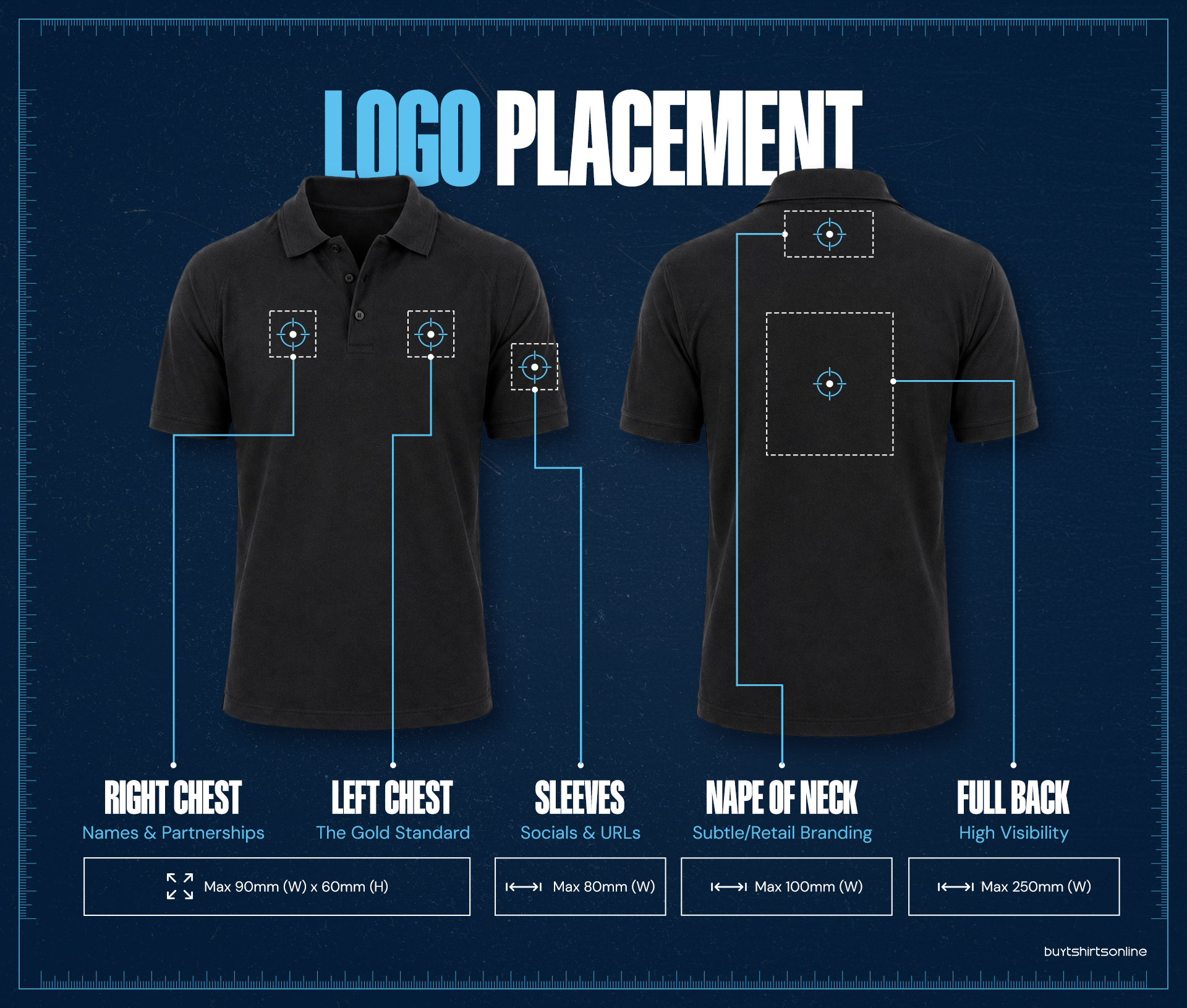
- Left Chest: The “Gold Standard” for corporate wear. It aligns with the heart and is the first place people look during a handshake.
- Right Chest: Often reserved for individual staff names, job titles, or secondary “partnership” logos.
- The Nape (Back of Neck): A subtle, modern placement gaining popularity in retail and hospitality. It’s visible when staff are walking away or serving.
- Sleeves: Ideal for “call-to-action” branding like web URLs or social media handles.
- Full Back: Best for high-visibility roles (security, events, construction) where the brand needs to be identified from a distance.
Right Chest vs Left Chest: Which side is more professional?
For the vast majority of corporate applications, the left chest is the most professional choice. This option follows the Western tradition of “heart-side” branding.
When to use the Right Chest:
- Dual Branding: If you are co-branding with a partner.
- Personalisation: If the left side features the company logo, the right side is the standard spot for the employee’s name.
In-Depth Logo Placement: Dimensions & Positioning
To ensure your workwear looks uniform across sizes (XS to 5XL), follow this blueprint for the most common garment: the Polo Shirt.
| Placement Area | Max Dimensions | Positioning Rule |
| Left/Right Chest | 90mm (W) x 60mm (H) | Level with the bottom of the placket (button area). |
| Circular Logo | 65mm – 75mm (Diameter) | The “Golden Ratio” for visibility without distortion. |
| Sleeve | 80mm (W) | Centred between the shoulder seam and the hem/cuff. |
| Nape of Neck | 100mm (W) | 2cm to 5cm below the collar seam. |
| Full Back | 250mm (W) | Centred between the shoulder blades. |
Pro Tip: For a standard left-chest embroidery, the logo should be no wider than 90mm and no taller than 60mm. If the logo is circular, a diameter of 65mm-75mm is the “Golden Ratio” for professional visibility without distorting the garment’s fit.
Avoiding the “Pucker”: Fabric vs Stitch Density
One common question we get is: “Why does embroidery pucker on thin polo shirts?”
Puckering occurs when the logo’s stitch density is too high relative to the fabric’s “grammage” (weight). Embroidery is essentially pulling thousands of threads through a small area; if the fabric is thin (like a 140gsm fashion tee), the tension of the stitches will pull the fabric inward, creating a wrinkled or “puckered” look.
How to Prevent Puckering:
- Match Stitch Density to GSM: For lightweight performance polos, we reduce the stitch count or use “light fills” to let the fabric breathe.
- Use Proper Stabilisers: At BuyTShirtsOnline, we use high-quality “cut-away” backings to support the fabric during and after embroidery.
- Consider the Fabric: If you want a heavy, high-stitch-count crest, opt for a heavier pique polo (200gsm+) like those from Fruit of the Loom or Gildan.
Embroidery Techniques for Professional Results
Modern embroidery is a blend of digital art and mechanical precision. To get the best result, we focus on three core areas:
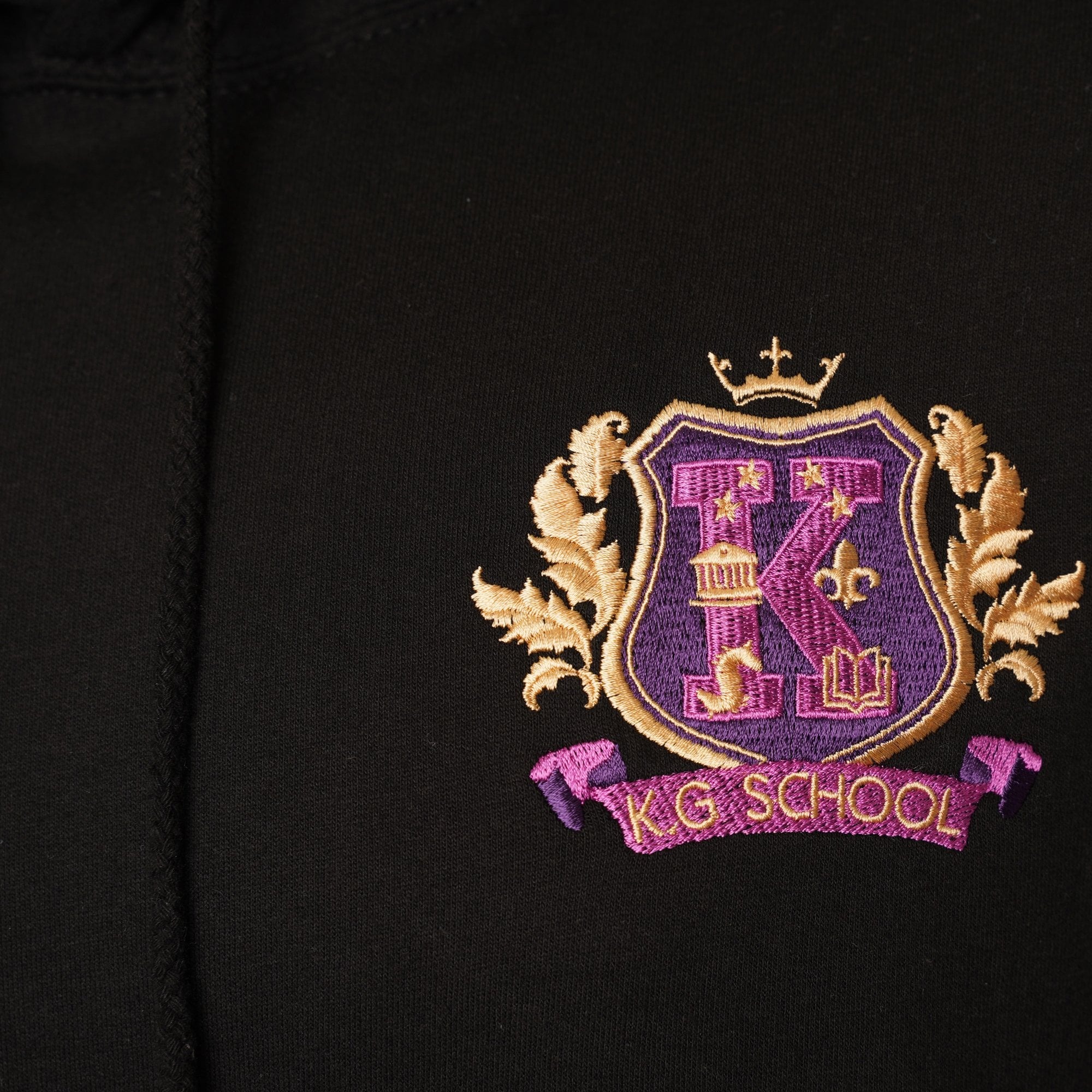
- Digitising: The process of converting your logo (JPEG/PNG/Vector) into a “stitch file.” A poorly digitised file leads to gaps or thread breaks. Our in-house team manually digitises every design to ensure efficient pathing.
- Flat Embroidery: The standard for 99% of workwear. It’s durable, washable at high temperatures, and looks professional.
- 3D/Puff Embroidery: Best for headwear (caps). It uses a foam insert to make the logo “pop” off the fabric. We generally avoid this for shirts, as it can be uncomfortable against the skin.
Frequently Asked Questions (FAQs)
Is embroidery better than screen printing for workwear?
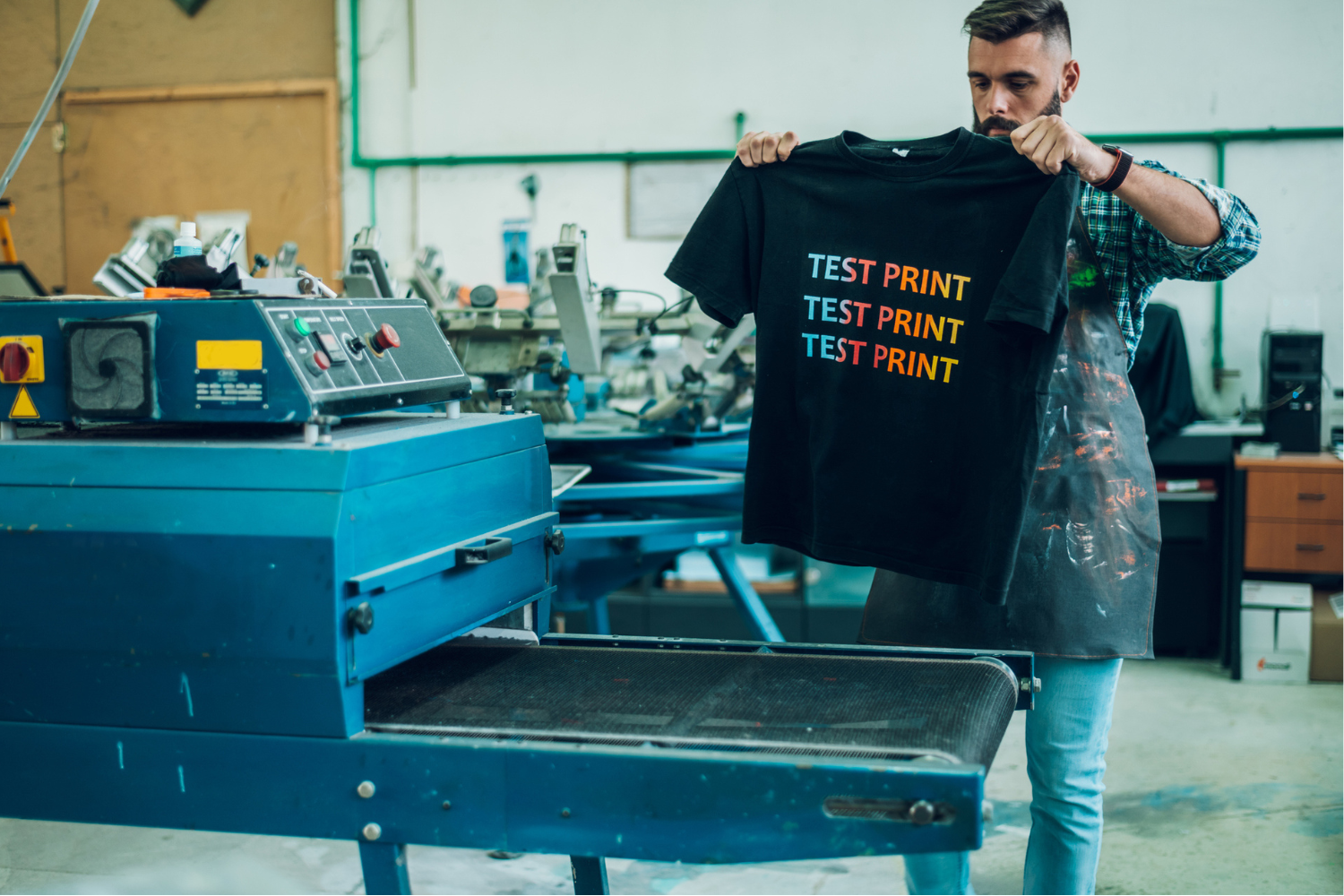
For longevity and “perceived value,” embroidery is superior. It withstands industrial laundering better than print. However, for large designs or very thin fabrics, screen printing is often more comfortable and cost-effective.
Can any logo be embroidered?
Most can, but very small text (under 5mm) or intricate gradients can be difficult. Our designers may suggest slight “simplifications” to logos to ensure they look crisp when translated into thread.
How many colours can I use in an embroidered logo?
Most industrial embroidery machines can hold up to 12 or 15 different thread colours at once. For professional workwear, we recommend keeping the colour palette to 6 or fewer to keep the design clean and the stitch count manageable.
Precision in Every Stitch with BuyTshirtsonline
Your workwear is more than just a uniform; it’s a physical representation of your company’s standards and attention to detail. By following a structured logo placement guide, you ensure your team looks sharp, cohesive, and ready for business. From our humble beginnings in a Warrington garage to our current status as UK wholesale experts, we’ve learned that the smallest details, like a perfectly level embroidery or the correct stitch density for the fabric, make the biggest difference in your brand’s perception. Don’t leave your first impression to chance; precision is what separates the amateurs from the pros.
Ready to elevate your team’s look? Explore our screen-printing and embroidery services or give our friendly project managers a call at 01928 579 951 to discuss your next custom project. Whether you need 10 shirts or 10,000, we’re here to make your logo look as professional as the work you do.
Read Next
The Ultimate Guide to Graphic T-Shirts: 2026 Trends, Production, and How to Create Your Own
The Expert Guide to Staff Uniforms for Hospitality & Restaurants: Style, Durability, and Brand Identity
Top 3 Colour Trends in Corporate Uniforms and Workwear
Comments are closed here.